Counterfeit German Banknotes: Understanding the Threat and Prevention Measures
In the ever-evolving world of currency, counterfeit banknotes have become a significant issue for governments, services, and consumers alike. This is especially relevant for Germany, a nation understood for its strong economy and the euro, which is one of the most commonly utilized currencies globally. Regardless of advanced security functions created to prevent counterfeiting, counterfeit German banknotes continue to circulate, causing monetary losses and weakening public trust. This short article explores the nature of counterfeit German banknotes, takes a look at security steps in place, lays out the repercussions of counterfeiting, and uses useful tips for detection and avoidance.
The Nature of Counterfeiting
Counterfeiting refers to the illegal reproduction of currency, with the intent to use it as if it were real. The practice is rooted in the history of money and economics, and it has progressed with advancements in innovation. Counterfeiters typically utilize high-quality printing techniques and advanced equipment to produce fake banknotes that can trick even watchful customers.
In Germany, while the euro is the currency most commonly counterfeited, the country has actually had its share of counterfeit Deutschmarks prior to the euro's introduction. The European Central Bank (ECB) routinely issues reports on the state of counterfeiting within the eurozone, supplying insights into trends and strategies employed by counterfeiters.
Typical Counterfeit Techniques
Counterfeiters make use of various techniques to develop fake banknotes. The most prevalent techniques include:
Printing Techniques:
- Offset printing: Traditional technique used to develop high-quality banknotes.
- Digital printing: Modern counterfeiters use digital printers to produce convincing reproductions.
Product Mimicking:
- Paper and ink: Counterfeiters strive to replicate the distinct texture and feel of genuine banknotes.
- Security features: Sophisticated recreations may include features like watermarks and color-shifting inks.
Risky Innovations:
- Using mobile apps and digital innovation to manipulate images of banknotes for online transactions.
Security Features of Genuine German Banknotes
To fight counterfeiting, genuine German banknotes are geared up with numerous security features. A few of these functions consist of:
- Watermarks: Depictions of well-known figures and concepts that are visible when held up to the light.
- Color-shifting ink: Certain locations alter color when viewed from different angles.
- Holograms and security threads: Embedded within the note, these features produce visual effects and expose secret patterns.
- Microprinting: Tiny text that is difficult to reproduce however can be seen under magnification.
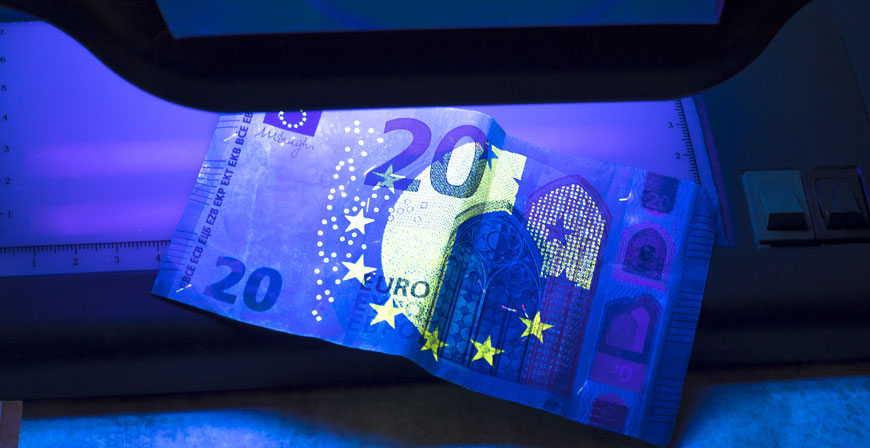
- Ultraviolet functions: Elements that are only noticeable under ultraviolet light.
Repercussions of Counterfeiting
The ramifications of counterfeit banknotes extend beyond monetary loss. Some of the vital consequences include:
- Economic Damage: Counterfeiting weakens the integrity of a nation's currency, causing inflation and monetary instability.
- Loss of Consumer Trust: When counterfeit notes flow commonly, consumer self-confidence in the currency diminishes, impacting spending and financial activity.
- Legal Repercussions: Counterfeiting is a major criminal activity that can result in heavy fines and jail time for those caught producing or dispersing fake currency.
Detection Techniques for Consumers
As dangers from counterfeit banknotes continue, it is important for individuals and companies to equip themselves with the understanding essential to identify counterfeit notes. Here are useful actions to identify a counterfeit banknote:
- Feel: Examine the texture. Real notes frequently have a distinct feel due to their special paper structure.
- Look: Inspect the watermarks and security functions. Holding Euro Falschgeld Kaufen as much as light must reveal a watermark and security thread.
- Tilt: Use the color-shifting ink to your advantage. Tilt the note to observe any changes in color.
- Consult UV Light: If possible, utilize a UV light to expose features not visible to the naked eye.
- Acquaint: Get to know the look of real banknotes, consisting of details such as pictures, serial numbers, and security markings.
Avoidance Measures for Businesses
For organizations, the impact of counterfeit banknotes can be especially damaging and can be reduced with the following practices:
- Staff Training: Regularly train workers on how to determine counterfeit notes and the associated dangers.
- Use of Technology: Invest in note-checking devices that can effectively spot counterfeit currency.
- Deposit Practices: Encourage personnel to review and verify notes before depositing them, guaranteeing early detection.
- Customer Awareness: Educate customers on the functions of authentic banknotes, producing a more informed client base.
- Report Counterfeits: Inform police if counterfeit notes are spotted, assisting in the battle against more counterfeiting.
Frequently asked questions
Q: What is the charge for being caught with counterfeit banknotes in Germany?A: The belongings, recreation, or distribution of counterfeit banknotes is a serious offense in Germany and can cause significant fines and jail time.
Q: How can I report counterfeit notes?A: Individuals can
report believed counterfeit notes to regional cops or financial institutions. Comprehensive reports can assist in examinations. Q: Are there specific denominations of
German banknotes more regularly counterfeited?A: While counterfeiters may target any denomination, EUR50 and EUR20 notes have historically been among those usually reproduced. Q: What role does technology play in counterfeiting?A: Technology has enhanced the capability of counterfeiters to producehigher-quality fakes, making it significantly essential for customers and organizations to stay alert. Counterfeit German banknotes present a consistent obstacle that requires awareness and proactive steps from both people and services.
By comprehending the nature of counterfeiting, acquainting oneself with security features, and taking preventive measures, stakeholders can much better protect themselves versus the continuous danger. The battle versus counterfeiting is a collective effort, and notified people can play a crucial role in protecting the stability of currency and, by extension, the economy itself.